Leave a clear path through each room
Move chairs and baskets so a visitor can walk in, turn around, and see the floor.
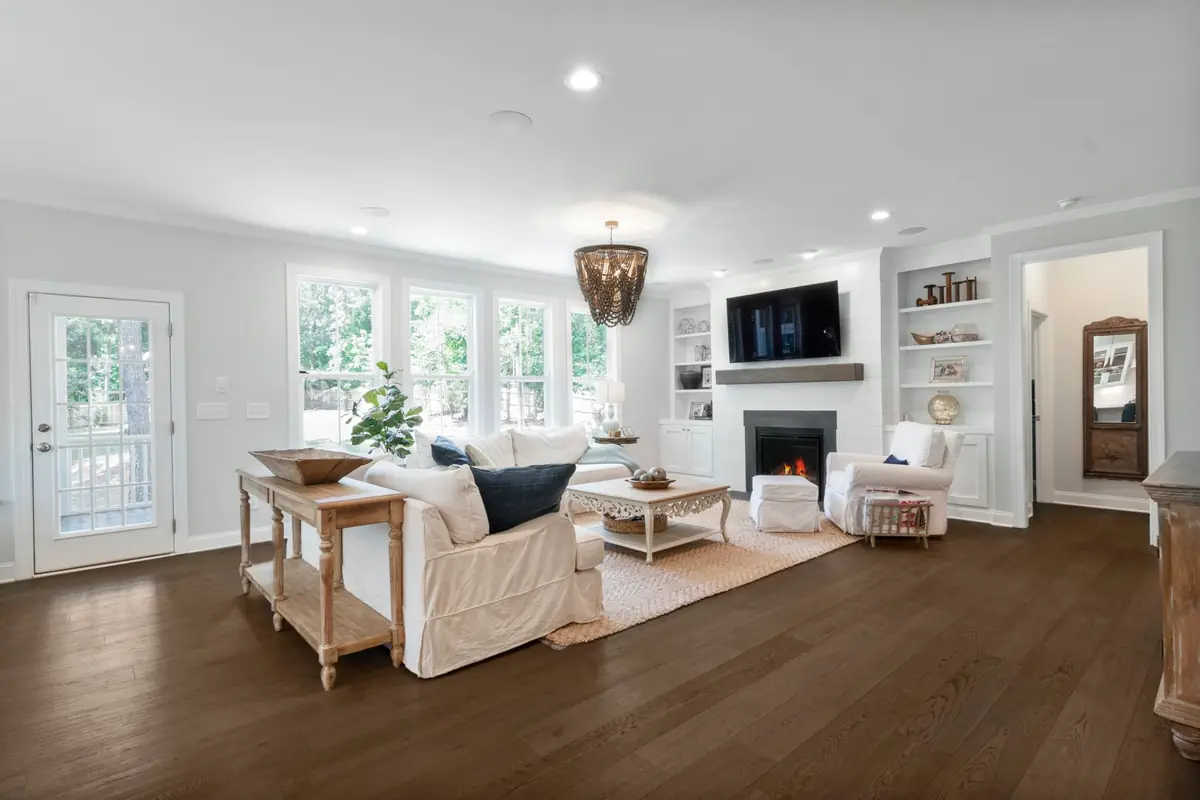
Walk from the front door to the back of the house the way a stranger would. Every time you turn sideways, stop. A chair in a doorway, a bin in a hall, or a cord across a rug is a path problem. The fix is to move the object, not to explain it. A buyer who is watching their feet is not seeing the room.
Start with the widest walk you can make without buying furniture. Pull dining chairs in. Slide a bench out of the entry. Coil a lamp cord along the baseboard. If a rug slides, a short roll of rug tape is often under $15, or you can roll the rug up for showing days and store it in a closet. Bare floor that you can walk is better than a rug that bunches.
Use the path from the kitchen to the back door as the example. If a trash can, a dog bed, or a stack of shoes sits in that line, move all of it for showings. The shoes go in a closet. The bed goes in the spot you chose for pet gear. Then walk the path again with your hands at your sides. If an elbow hits a cabinet or a chair, the path is still tight.
You do not need to empty the house. A made bed, a table that fits, and a chair you can sit in can stay. What leaves the path is anything that makes a person step around it. On showing mornings, the same walk takes five minutes if the extra pieces already have a home. Give them that home before the first appointment, not during it.
What to do
- Walk from the front door to the back and stop wherever you turn sideways.
- Move chairs, bins, and cords out of that line.
- Tape a sliding rug or roll it up for showings.
- Walk the path again with your hands at your sides.