Trace a stain to its source
Find the leak that made the stain, then repair that before you paint over the mark.
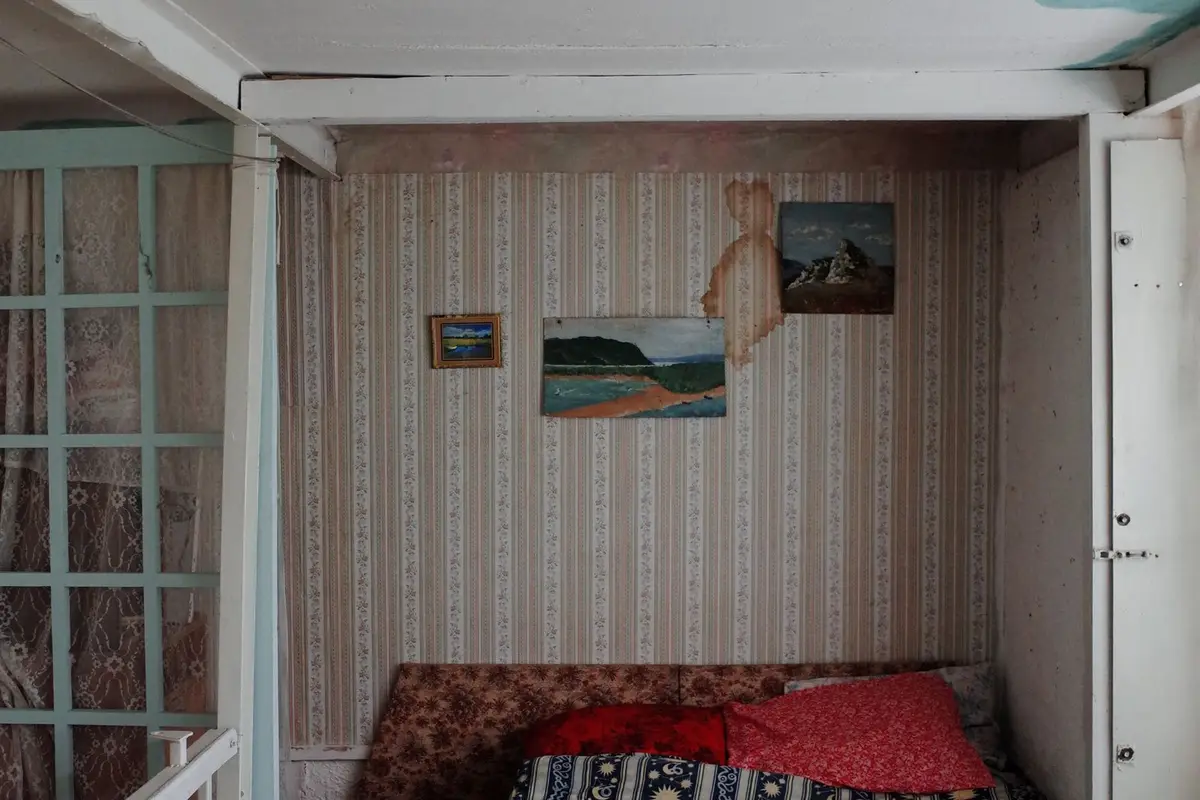
A ceiling spot or a bubbled patch of paint means water was there. Painting the mark hides it for a week and then the spot returns, often larger. Mark each stain on the walk-through list with the room and whether it is on the ceiling, the wall, or the floor. One mark per stain. Do not group them into the house has a few spots.
Look for the source before you open a can of paint. Above a ceiling stain, check the bath or the supply line on the floor over it, then the roof if there is no room above. At a wall, check the window above the spot and the pipe in that bay. Press the surface. Soft drywall or a hollow sound means the water was not a one-time drip you can cover. If you cannot find the source, hire someone who can and ask them to write the cause, not only the price.
Repair and dry the source first. A supply line under a sink is often a hardware-store part, from a few dollars for a washer to about $20 for a braided line, if that is truly the leak. A roof or a hidden pipe is a bid. Save the invoice with your other receipts so you can tell a buyer what was fixed, when, and by whom. The invoice is the sentence you will wish you had if someone asks about the patch.
Only then patch and paint the stain. Match the sheen you already have so the patch does not flash in a photo. If the source is repaired and dry, one photo of the finished ceiling is enough for the folder. If you decide not to repair it, the stain stays on the disclose list in plain words: where it is, and that you do not know the cause or that you do. Do not describe a painted spot as a finished repair.
What to do
- Mark each stain on the walk-through list with the room and the surface.
- Find the leak, or get the cause in writing, before you paint.
- Repair and dry the source, and save the invoice.
- Patch only after the source is dry, or disclose the stain instead.