Test the alarms before you list
Press each smoke and carbon-monoxide alarm, and replace any battery that fails.
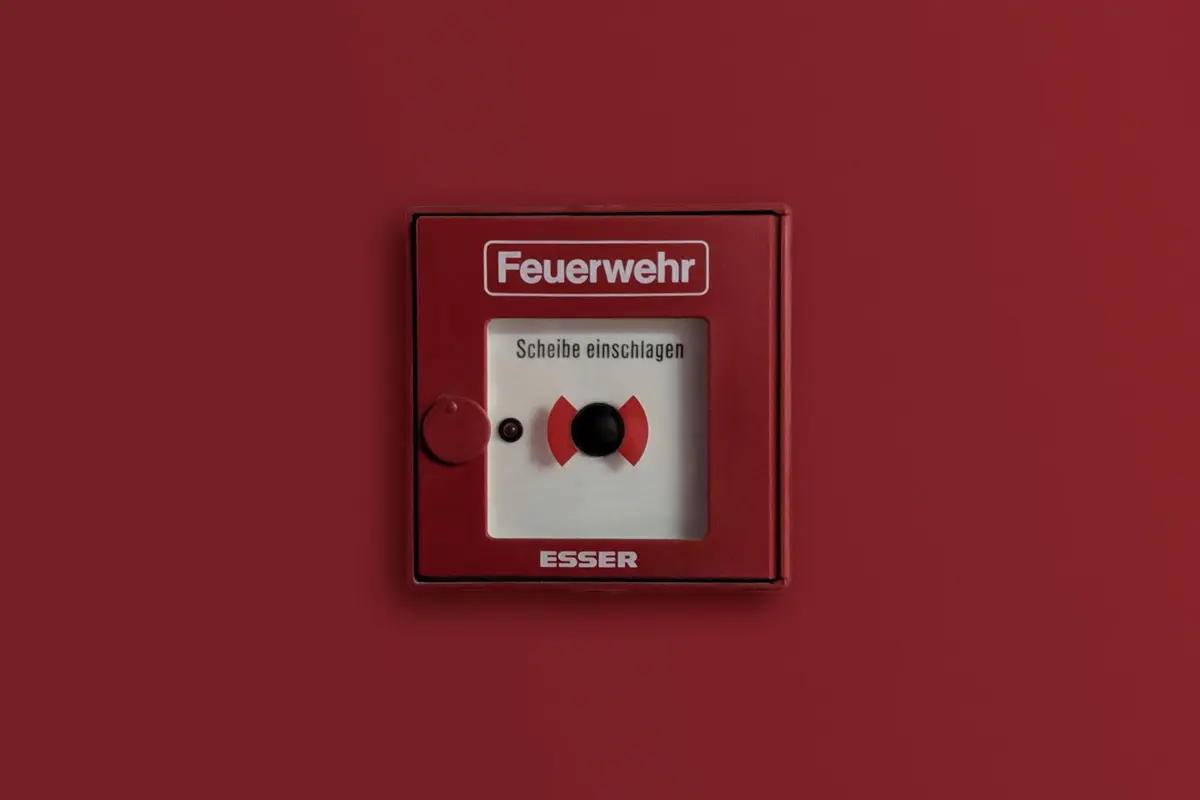
Walk the house and press the test button on every smoke alarm and every carbon-monoxide alarm you can find. Count them as you go: hall, each bedroom, the kitchen if there is one there, and the basement. A unit that stays silent needs attention before a showing. A unit that chirps every minute will chirp during the visit, and that sound is what people remember.
If the test is weak or the unit chirps, replace the battery before you replace the whole alarm. Buy the battery size printed on the old one. A pack of the common sizes is often under $15 at a hardware store. Put the used batteries in the bag you take back out, so you do not leave them on a counter that will be in a photo. Test the unit again after the new battery is in. A fresh battery that still produces silence means the unit itself should be replaced.
A hallway alarm that chirps only at night is the usual example. It has been low for days, and the quiet afternoon test is how you catch it before a buyer does. Write the date you tested on a card in the closing folder. If a unit is past the date printed inside the cover, replacement is the honest fix. A new alarm is often in the $15 to $40 range, depending on whether it also detects carbon monoxide. Read the package and mount it where the old one was, unless the old spot was a dead corner with no air.
Do not take the batteries out to stop a chirp and then forget them. An alarm with no battery is not a fix. After you list, test again the week of the first showings. Ten minutes with a chair or a short ladder covers most houses. The chair stays in the garage when you are done, not in the hall photo.
What to do
- Press the test button on every smoke and carbon-monoxide alarm.
- Replace a weak battery with the size printed on the unit.
- Replace the unit if a fresh battery still produces silence, or if the printed date has passed.
- Test again the week of the first showings.