Photograph the empty rooms on the last day
Take a photo of each empty room, plus the meter readings, before you lock the door.
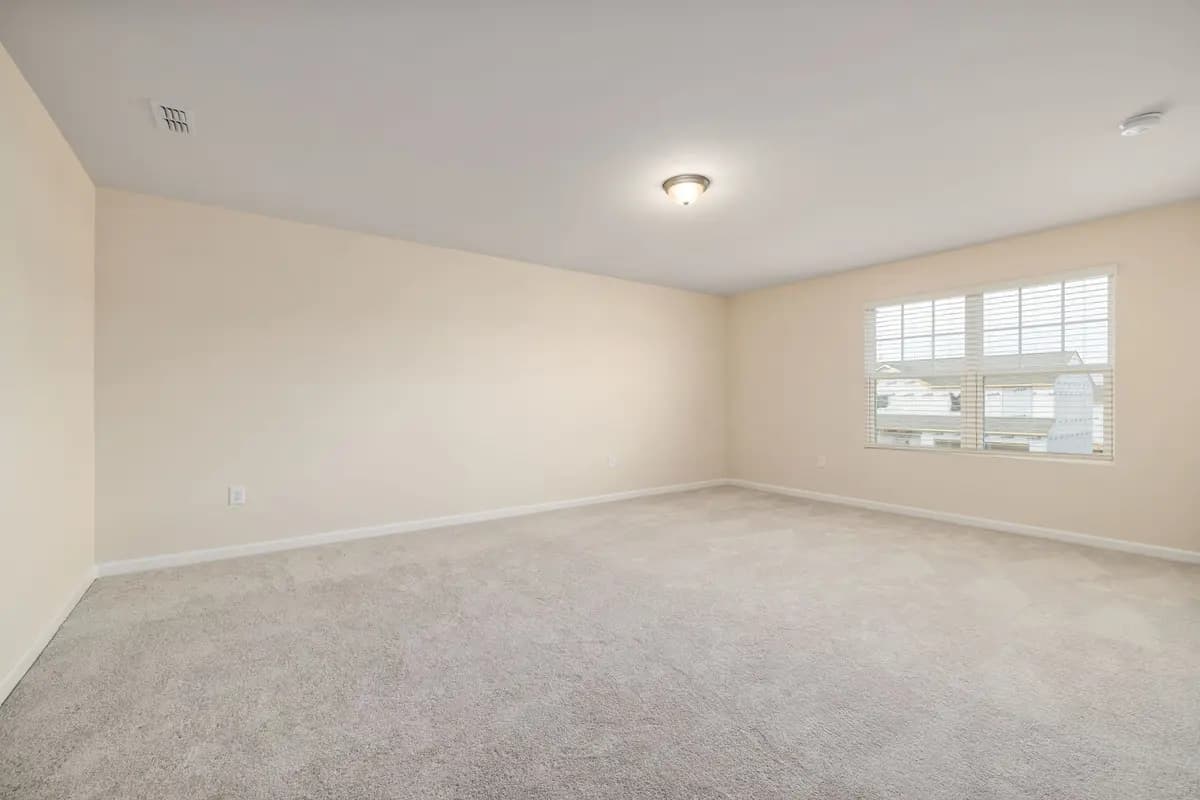
After the furniture is out, walk the house once with your phone before you lock the door. Photograph each room from the doorway, then step in and photograph the far corner. Include the inside of the refrigerator, the inside of the oven if it is empty, and any scratch, stain, or nail hole you want to remember. These frames are for you and for the closing file. They are not listing photos, and they do not need to be pretty.
Photograph the meter readings in the same hour if you can reach them. A gas meter, an electric meter, and a water meter each get their own frame, close enough to read the numbers. Those pictures answer a later question about the final bill without a debate about memory. If a meter is in a locked closet, take the photo when you still have the key, not from the curb after you have handed the keys over.
A scuff on a hardwood floor is a useful example. If you photograph it in daylight, with a shoe or a coin in the frame for scale, you can tell a small mark from a gouge later. The same idea works for a chip in a counter or a crack in a garage floor. You are recording the house as you left it, not building a case. Store the set with your settlement papers, in a folder named for the property, not only on a camera roll you might clear.
The cost is the time, not a camera. A phone you already own is enough. Plan about twenty to forty minutes for a modest house if you are not rushing. Do this after the truck is loaded and before you drop the keys. If you wait until the next morning, you may not be allowed back in, and the empty-house record is gone.
What to do
- Photograph each empty room from the doorway and from inside.
- Photograph meter readings close enough to read.
- Include scratches or chips you want to remember, with something for scale.
- Save the set with your settlement papers.