Take listing photos in daylight with the lights on
Open the shades, turn on the lamps, and keep the camera level.
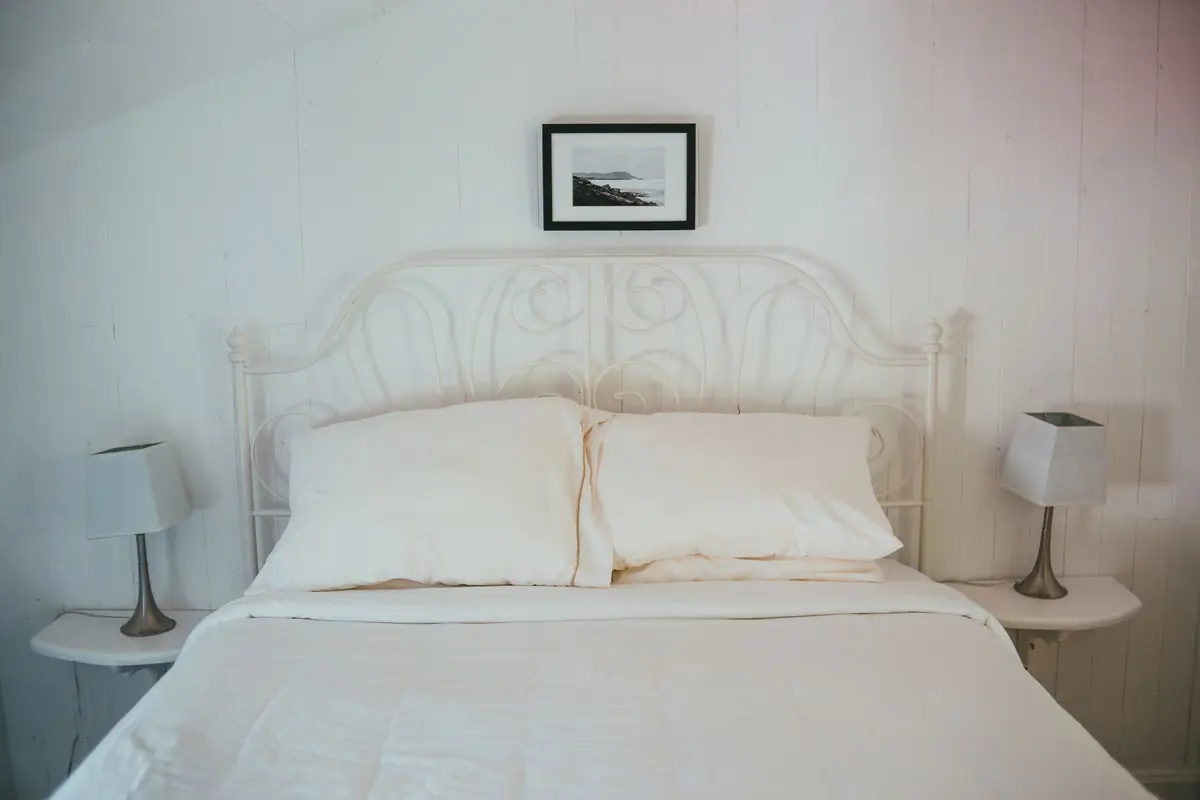
The camera needs more light than your eyes do. Open the window coverings and turn on the overhead lights and the lamps you are leaving before you frame a shot. Shoot when you can see the corners of the room. If a corner falls black, add the lamp or wait. Do not hope the listing page will brighten it. A dark corner is where people assume the room stops.
Glare on bare glass can wash a wall out. If the sun is hitting that window, wait for it to move or shoot the room from a different corner. Do not close only one shade to fight the glare if the rest of the house is open. Clean the glass you will shoot through first. Streaks show up once the light is even. A bottle of glass cleaner is a few dollars, and it belongs in the photo kit with the cloth.
Stand in a corner and keep the camera level. If the walls lean in the frame, the room looks smaller than it is. Use a doorway as the level check: the trim should run straight up the side of the photo. Take one wide photo and one detail photo in each main room, then stop. Extra tilted frames do not give you a better wide shot. They give you a pile to delete.
Before you leave a room, close toilet lids, move the trash can out of the frame, and coil a hose if it sits in the front photo. Turn the lights on even in the daytime. A lamp that is off reads as a dead lamp. If a bulb is out, replace it before the appointment. A bulb is a few dollars, and a dark fixture in an otherwise bright room is the thing people notice. Check the front of the house from the sidewalk with the entry light on if you are shooting late in the day.
What to do
- Clean the windows you will shoot through and open the coverings.
- Turn on the lights before you frame the shot.
- Keep the camera level and take one wide photo and one detail in each main room.
- Move trash, close lids, and replace a dead bulb before you call the set done.