Split price from the closing date
When you counter, change the price on one line and the closing date on another.
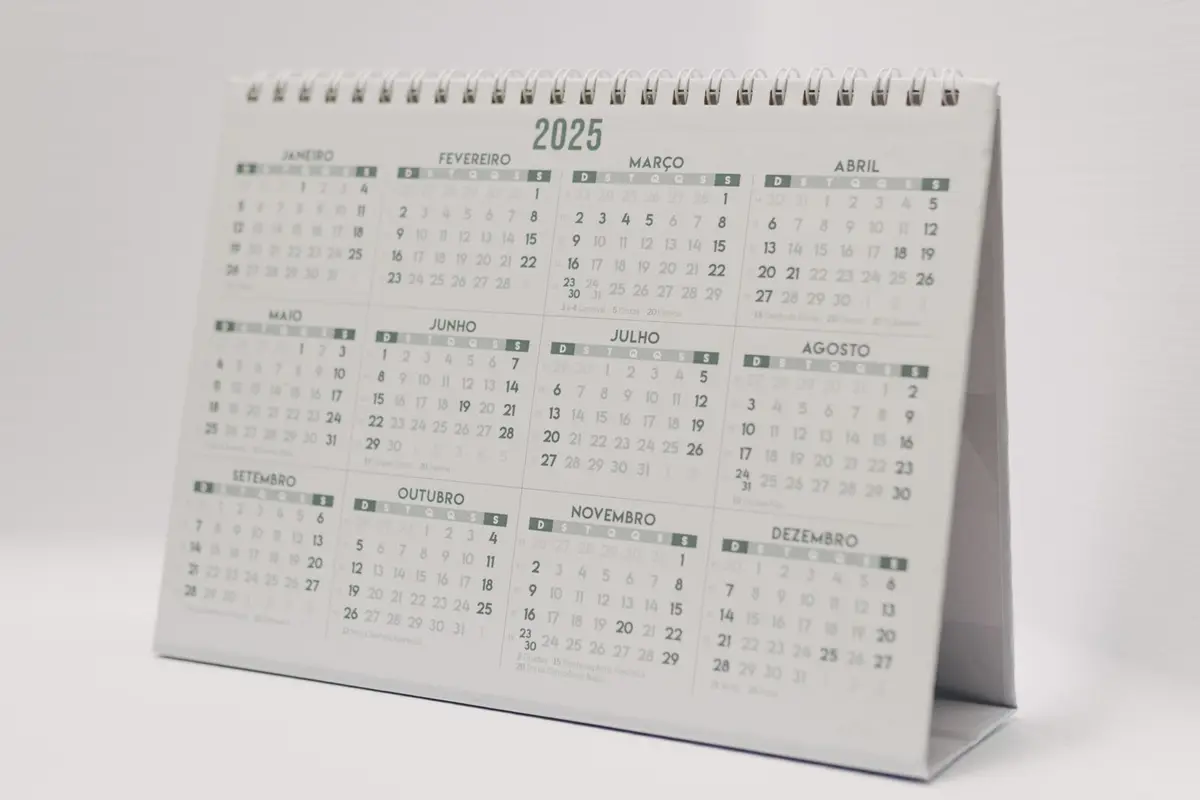
A counter that changes the price and the date in one breath is hard to compare. Write the price you want on its own line. Write the closing date you can actually meet on the next line. If you need more days to move, say that as a date, not as a feeling. Around the end of the month is not a date. The 28th is a date. Use a calendar when you pick it.
Check each line against a different page. The price line has to survive the proceeds calculator with the credits you are also offering. The date line has to survive the mover, the possession terms, and the walk-away schedule you already wrote. A higher price with a date you cannot keep is not a better offer. You would be paying for that price with a broken move.
If you can give on one line and not the other, say so. You can accept their price and counter only the date, or the reverse. Put the unchanged item in words so it does not get renegotiated by accident. Then read both lines against your net page one more time. A date that adds a week of costs you have not typed in, such as an extra mortgage payment you know you will owe, belongs in the calculator before you call the date easy.
Send the two lines in the written counter, not only in a phone call that explains them. File a copy with the comparison row. If they come back on only one line, you can answer that line without reopening the other. That is the point of splitting them. You can see which term moved. When both lines are acceptable, the acceptance should repeat both so the final paper matches the two lines you meant.
What to do
- Put the price on one line and the closing date on the next.
- Pick a real date from a calendar, not a feeling about the month.
- Check the price against your net and the date against the move.
- Repeat both lines in the written counter or the acceptance.